

HemoglobinRemoval and Capture
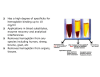
Has a high degree of specificity for hemoglobin, without cross-reacting with other proteins or analytes
Suitable for
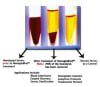
Hemolyzed serum/plasma
Whole Blood, Dried Blood Cards (DBS) or Erythrocyte lysates
Tissue Homogenates, compatible with RIPA buffer
Applications in analytical interferences, enzyme monitoring, proteomics
Species Agnostic
Over 30 citations including analysis in cellular thermal shift assay (CETSA), LC-MS proteomics, Hemoglobin derivatives, Western blot, enzyme activity, ELISA
Related product NuGel™HemogloBind™ comes in a dry powder format, compatible with high throughput 96-well automation, see https://www.biotechsupportgroup.com/NuGel-HemogloBind-Hemoglobin-Capture-Reagent-p/np-ho.htm
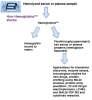
Poly-electrolytesare polymers with repeating units of stationary charges. HemogloBind™ is derived from insoluble elastomericpoly-electrolytes that bind proteins through an empirically derivedchemistry combining elements of polymer composition, andcross-linking architecture. As with bio-polymers like DNA andHeparin, governing their reactivity is the spatial presentation ofelectrostatic groups along a flexible polymer chain.
HemogloBind™does not cross react with most common serum components, making it anexcellent tool in numerous applications. These include analyticalprotocols where optical interference is problematic. Hemoglobinvariants, as in thalassemia, bind with differential affinity towardsHemogloBind™, though this has not been fully evaluated. Forpurification and/or analysis of hemoglobin, a modest elevation in pHwill facilitate desorption from the polymer.
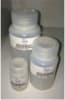
| Product | Size | Product Code |
|---|---|---|
| HemogloBind™ | 5ml | HO145-05 |
| HemogloBind™ | 15ml | HO145-15 |
| HemogloBind™ | 50ml | HO145-50 |
Tissue Lysates
Zakari,Abubakar, et al. "ExtremeTemperature Exposure Induces Lung-Gut Dysbiosis in HealthyMice." CurrentResearch in Microbial Sciences (2026):100564.
Theuse of HemogloBind™ was essential to the proteomiccomparison of lung and intestinal tissues from mice exposed to hightemperature, low temperature, and high-to-low temperature groups.
Red Cell Lysates
Wang, Y., Wu,X., Li, X., Liu, Z., An, N., Gu, S., He, Y., He, M., Yin, D., Chen,Y., Hu, X., Ubiquitinationand degradation of CD47 enhances macrophage phagocytosis of hemolyticerythrocytes,iScience (2026), doi: https://doi.org/10.1016/j.isci.2025.114499.The use of HemogloBind™was essential to theproteomic comparison, functional annotation and biologicalsignificance of 1040 protein identifications, as their differentialexpressions offered valuable insights into the mechanism of CD47downregulation.
Junqueira, Caroline, et al." Identificationof cross-stage, cross-species malaria CD8+ T cell antigens ." ResearchSquare (2025): rs-3.Cell lysates of infected reticulocytes and uninfected reticulocytes,...were analysed by immunoblot probed for both ERAP1 and Tapasin(Abcam) afterhemoglobin removal using HemogloBind (Biotech Support Group).
Go,Ka Diam, et al. " Antimalarialdrug artemisinin stabilizes PfRACK1 binding to the ribosome. "Structure (2025). The study explored the artemisinins MOA by the massspectrometry-coupled cellular thermal shift assay (MS-CETSA) of P.falciparum parasites, The article states “ Hemoglobindepletion was performed for all isothermal dose response (ITDR)samples. 30 μL of HemogloBind resin, 30 μL of 20 mM potassium phosphate (pH 6.5) and 60 μL ofeach soluble fraction containing 300 μg proteins...". Theinvestigators identified 294 and 83 proteins that werethermo-stabilized and -destabilized...
Barakat, Amey, et al. "Effects of 2, 3‐DPG knockout on SCD phenotype in Townes SCD model mice ." American Journal of Hematology (2023).
For Western blot analysis, the article states “Red blood cells were lysed by vortexing and hemoglobin was depleted using HemogloBind™.”
Chen, Yaozhen, et al. " https://www.cell.com/cell/fulltext/S0092-8674(25)00389-7" Available at SSRN 4626203.
To investigate the downstream signaling of caspase-8 in mature RBCs, label free proteomic analysis was conducted. The article states “RBC lysates (control and complement-treated groups) … Hemoglobin was removed by adding 250 μl of HemogloBind suspension (Biotech Support Group) to the cell lysate.… Subsequently, samples without hemoglobin were analyzed using chromatography-tandem mass spectrometry (LC-MS/MS)”. This analysis identified proteins with both upregulated and downregulated expressions in response to complement activation.
Sae-Lee, Wisath, et al. "The protein organization of a red blood cell. " Cell Reports 40.3 (2022): 111103.
“ For hemolysate preparations, remnant white ghosts were removed by centrifugation at 21,000 ×g for 40 min at 4°C, and the supernatant treated with HemogloBind (Biotech Support Group) in order to bind and remove free Hgb.”
Zhan, Jing, et al. "Silica nanoparticles trigger phosphatidylserine exposure in red blood cells and induce thrombosis risk ." Environmental Pollution (2023): 121591.
For Western blot analysis, the article states “To evaluate the phosphorylated ERK1/2 and total ERK1/2, the protein samples from different groups were mixed with 100 μL of HemogloBind™ suspension (Biotech Support Group LLC, NJ, USA) that could specifically adsorb hemoglobin”.
Hojo-Souza NS, de Azevedo PO, de Castro JT, Teixeira-Carvalho A, Lieberman J, et al. (2020) Contributions of IFN-γ and granulysin to the clearance of Plasmodium yoelii blood stage . PLOS Pathogens 16(9): e1008840. https://doi.org/10.1371/journal.ppat.1008840.
The authors investigated how Plasmodium infection induces MHC-I expression on Retics. To remove interferences associated with Hemoglobin, the article states, “For western blot analysis, erythroblasts pellets were resuspended in RIPA Buffer (Sigma)…. The Retics were treated with HemogloBind …”.
Dziekan, Jerzy Michal, et al. "Cellular thermal shift assay for the identification of drug–target interactions in the Plasmodium falciparum proteome. " Nature Protocols (2020): 1-41.
The cellular thermal shift assay (CETSA) enables proteome-wide target screening for unmodified compounds with undetermined mechanisms of action, providing quantitative evidence about direct drug–protein interactions. The workflow involves treatment of P. falciparum–infected erythrocytes with a compound of interest, heat exposure to denature proteins, soluble protein isolation, enzymatic digestion, peptide labeling with tandem mass tags, offline fractionation, and LC-MS analysis. The article states “The intact-cell CETSA protocol features a HemogloBind-based sample processing step, which provides a relatively fast, reliable and inexpensive method to deplete >90% of hemoglobin from processed intact-cell samples. As a result, it leads to a 40-50% increase in the number of peptide spectrum matches (PSMs) ...”.
Nguyen, Anthony T., et al. "UBE2O remodels the proteome during terminal erythroid differentiation ." Science 357.6350 (2017): eaan0218. This study used multiplexed quantitative proteomics to identify candidate substrates of UBE2O, an E2 (ubiquitin-conjugating) enzyme, in an unbiased and global manner. Because of the overly abundant presence of Hemoglobin, selective depletion of Hemoglobin was necessary. The article states “Reticulocytes were lysed by vortexing for 5 minutes at room temperature… An additional 10 bed vol of Hemoglobind™ suspension was added to the samples, which were then vortexed for another 10 min at room temperature followed by 4 min of centrifugation at 10000 x g. The supernatants, which contain hemoglobin-depleted sample, were … processed for TMT quantification.”.
Hemolyzed Serum Analyses
Neil Adrian P. Ondevilla, Peng-Wen Liu,Wan-Ting Huang, Tzu-Ping Weng, Nan-Yao Lee, Syu-Cing Ma, Jian-JangHuang, Tak-Wah Wong, Hsien-Chang Chang, Apoint-of-care electrochemical biosensor for the rapid and sensitivedetection of biomarkers in murine models with LPS-induced sepsis ,Biosensors and Bioelectronics, Volume 254, 2024, 116202, ISSN0956-5663, https://doi.org/10.1016/j.bios.2024.116202.
The article states “… Hemolysis iscommon in blood samples, which can interfere with the detection.Prior to the analysis, thehemolyzed samples were pretreated for 15 min with Hemoglobind™… ”
Nishida-Aoki, Nao, et al. "Disruptionof Circulating Extracellular Vesicles as a Novel Therapeutic Strategyagainst Cancer Metastasis. " Molecular Therapy 25.1 (2017): 181-191. http://dx.doi.org/10.1016/j.ymthe.2016.10.009
The researchers report on a novelstrategy of therapeutic antibody treatment to target cancer-derivedEVs and inhibit the metastasis of breast cancer in a mouse model. Thearticle states “Hemoglobinwas accumulated with HemogloBind™ beads… EVsin the sera were concentrated by ultracentrifugation…”.
Whole Blood Lysates
de Boni, Laura, et al." Aggregation-resistantalpha-synuclein tetramers are reduced in the blood of Parkinson’spatients ."EMBO Molecular Medicine (2024): 1-18. Synucleinopathies such asParkinson’s disease (PD) are defined by the accumulation andaggregation of the α-synuclein protein in neurons, glia and othertissues. In this study, an in vitro-cross-linking protocol for humanEDTA-whole blood was used to determine the relative levels ofdisordered and higher-ordered multimeric forms of cytosolicα-synuclein in blood. The protocol incorporated HemogloBind™to remove interference from Hemoglobin.
Das, Amaresh, et al. "EnhancedRecovery and Detection of Highly Infectious Animal Disease Viruses byVirus Capture Using Nanotrap® Microbiome a Particles. "(2024).
This study reports the use of Nanotrap®Microbiome A Particles (NMAPs) to capture and concentrate virusesfrom diluted suspensions to improve their recovery and sensitivity ofdetection. Five highly infectious animal disease viruses were used inthis study. NMAPs were used to capture spiked viruses from EDTA wholeblood (EWB). Virus capture from EWB was partially blocked, mostlikely by hemoglobin (HMB), which also binds NMAPs and outcompetesthe viruses. The interferenceeffect from hemoglobin could be removed by first using
HemogloBind™ (BiotechSupport Group; Monmouth Junction, NJ), without interfering with viruscapture.
Kaneko, Tomonori, et al. "System-widehematopoietic and immune signaling aberrations in COVID-19 revealedby deep proteome and phosphoproteome analysis. " Research Square preprint (2021). The author’s goals were togain systems-level insights into SARS-CoV-2 pathogenesis. For that,they compared the blood proteome and phosphoproteome of ICU patientswith or without SARS-CoV-2 infection, and healthy control subjects byquantitative mass spectrometry. To remove the highly abundant amountof Hemoglobin, the article states “Hemoglobinwas depleted from PBMC whole cell lysate samples according to HemogloBindTM manufacturer instruction with modifications.”
Leitner, Dominique F., et al." Metabolomic,Proteomic, and Transcriptomic Changes in Adults with Epilepsy onModified Atkins Diet. "Epilepsia (2023).
For Plasma Metabolomics, the articlestates “Whole blood was thawed on ice and processedto remove hemoglobin by NuGel-HemogloBind according to manufacturer protocol…”
Kaneko, Tomonori, et al. "Kinome andphosphoproteome reprogramming underlies the aberrant immune responsesin critically ill COVID-19 patients." (2023). The article states“For Sample processing for proteomics by mass spectrometry,… Hemoglobin was depleted fromPBMC whole cell lysate samples according to HemogloBind (Biotech Support Group LLC) manufacturer instruction …” Thereport shows that COVID-19 PBMC proteome and phosphoproteome undergodynamic changes during disease progression, and the correspondingprotein or phosphoprotein signatures can distinguish longitudinaldisease states.
Lahut, Suna, et al. "Blood RNAbiomarkers in prodromal PARK4 and REM sleep behavior disorder showrole of complexin-1 loss for risk of Parkinson's disease."Disease Models & Mechanisms (2017): dmm-028035. http://dmm.biologists.org/lookup/doi/10.1242/dmm.028035.The authors studied blood samples from a new large pedigree with SNCAgene duplication (PARK4 mutation), to identify effects of SNCAgain-of-function as potential disease biomarkers. The article states“…300 μl blood were lysed with equal amount of 1% SDS-RIPAbuffer [50 mM Tris-HCl (pH 8.0), 150 mM NaCl, 1 mM EDTA, 1 mM EGTA,1% Igepal CA-630 (Sigma), 0.5% sodium deoxycholate, 0.1% SDS, 1 mMPMSF and one tablet Complete Protease Inhibitor Cocktail (Roche)] andsonicated for 10 sec. The blood lysates were rotated at 4 °C for 30min and centrifuged at 4 °C for 30 min. Thesupernatants were depleted in hemoglobin content using a commercialkit (HemogloBind™) followingthe manufacturer’s instructions”.
Chalásová, Katarína, et al."Transketolase Activity but not Thiamine Membrane TransportChange in Response to Hyperglycaemia and Kidney Dysfunction."Experimental and Clinical Endocrinology &
Diabetes (2017). https://www.thieme-connect.com/products/ejournals/abstract/10.1055/s-0043-115009
Diabetic kidney disease, a commoncomplication of both type 1 and type 2 diabetes, is associated withsignificant morbidity and mortality, and represents the most commoncause of chronic kidney disease. The study hypothesized thatprotective pentose phosphate pathway action in diabetes might becompromised by limited intracellular availability of an activetransketolase cofactor thiamine diphosphate (TDP). To evaluate thelevels of thiamine transporter proteins in whole blood, the articlestates “ For protein isolation, wholeblood aliquots were lysed with water and haemoglobin was removedusing HemogloBind™…”
Hemoglobin Isolation and DerivativeAnalysis
Dasauni, Pushpanjali, et al." Optimizationand Identification of Single Mutation in Hemoglobin Variants with 2,2, 2 Trifluoroethanol Modified Digestion Method and Nano− LCCoupled MALDI MS/MS ."Molecules 27.19 (2022): 6357. “The use of Hemoglobindreduced the time to obtain pure Hb in an easy single–stepprocedure . Pure Hb protein isrequired specifically to optimize and standardize methods fordiagnostics. … The desorbed Hb was compatible with LC–MS, andother proteomics studies, as we verified, did not show any change inits intact mass either. This one−step affinity purification gave usthe utmost purified Hb.”
Igoh, Akihisa, Masanobu Miura, and SatoruMiyaishi. "Animal Species and Blood Identification with PeptideMass Fingerprinting." Analytical Chemistry (2024). https://doi.org/10.1021/acs.analchem.3c04314
The article states “We have developedthe application of commercially available reagents for simplypurifying hemoglobin from a wide range of animal species. …Blood,saliva, urine, semen, and sweat (20 μL); filter paper from whichsweat was collected; and 0.5, 1, 2, and 5 μL of pooledblood samples were treated with HemogloBind™ (BIOTECH SUPPORT GROUP, NJ, USA) to obtain hemoglobin solutionsfollowing manufacturer’s protocol. …Hemoglobin was thendissociated according to the protocol to obtain a purified solution….”
Yamagishi, Yoshikazu, Hirotaro Iwase, andYasumitsu Ogra. " Post-MortemChanges of Methomyl in Blood with Hemoglobin. "Chemical Research in Toxicology. In this study, the researchersconsidered specific methomyl hemoglobin adducts detected by liquidchromatography quadrupole time-of-flight mass spectrometry (LC-Q/TOFMS). To help isolateHemoglobin, the article states “Hb was separated with HemogloBind in accordance with the manufacturer’s instructions.” The authorsconclude that one Hemoglobin derivative, the W-adduct could be usedas a biomarker of methomyl poisoning.
Tissue Lysates, LC-MS Proteomics
Liu, Yi-Hsuan, et al. " ITIH4 alleviates OVA-induced asthma by regulating lung-gut microbiota ." Molecular Medicine 31 (2025): 204
Proteomic profiling of intestinal tissues was conducted to identify ITIH4-associated signaling pathways. For this, the article states “The intestine tissue lysate from individual mouse was subjected to hemoglobin removal by using Hemoglobind (Biotech Support Group LLC, NJ, USA). Proteomic analysis of intestinal tissues identified 4,724 proteins, with 971 and 765 differentially expressed proteins in the low- and high-dose ITIH4 groups, respectively.
Jara, Zaira Palomino, et al. "DistinctMechanisms of β-Arrestin–Biased Agonist and Blocker of AT1R inPreventing Aortic Aneurysm and Associated Mortality. "Hypertension 80.2 (2023): 385-402.
The article states “Cleaned abdominalaortas were homogenized in T-PER Tissue Protein Extractionreagent…. Abdominal aneurysmsamples were treated to remove hemoglobin captured within the vesselwall. NuGel-HemogloBind … was used according to the manufacturer protocol.”
Heather E. McKiernan, Phillip B.Danielson, Catherine O. Brown, Masha Signaevsky, Christian G.Westring and Kevin M. Legg, Developmental Validation of a MultiplexProteomic Assay for the Identification of Forensically RelevantBiological Fluids, Forensic Science International, (2021)
https://www.sciencedirect.com/science/article/pii/S0379073821002280?via%3Dihub.The aim of this study was to validate a multiplex proteomic assay forthe identification of target peptide fragments by multiple reactionmonitoring on a triple quadrupole mass spectrometer originating fromtissue-specific proteins. The article states “Ifsamples contained excessive quantities of hemolyzed red blood cells,four volumes of HemogloBind™ were added.” The authors conclude that the mass spectrometry-based workflow offerssignificant advantages compared to existing serological methods.
C Wan, B Borgeson, S Phanse, F Tu, KDrew, G Clark, et al. Panoramaof ancient metazoan macromolecular complexes. Nature Volume:525, Pages:339–344 Date published:(17 September2015). doi:10.1038/nature14877.
HemogloBind™, contributed to this rigorous examination of protein complexes. Whenour products (HemogloBind™ &NRicher™ 6) were used as apretreatment step in the overall workflow, twice the number ofobservations and annotations became possible. Furthermore, this studydemonstrated the importance of a key feature implicit to all of ourproducts; that is the maintenance of functional and structuralintegrity after separations.
Species Agnostic – Applications toDifferent Species
Zhang, X., Li, S., Malik, I. et al.Reprogramming tumour-associated macrophages to outcompete cancercells. Nature (2023). https://doi.org/10.1038/s41586-023-06256-5 To measure the amino acid content by LC-MS from tumor interstitialfluid, the article states “Sampleswere brought through a NuGel-HemogloBind (Biotech Support Group) prepprior to extraction to remedy the levels of haemolysis present.
Igoh, Akihisa, Masanobu Miura, and SatoruMiyaishi. "Animal Species and Blood Identification with PeptideMass Fingerprinting." Analytical Chemistry (2024). https://doi.org/10.1021/acs.analchem.3c04314
The article states “We have developedthe application of commercially available reagents for simplypurifying hemoglobin from a wide range of animal species. …Blood,saliva, urine, semen, and sweat (20 μL); filter paper from whichsweat was collected; and 0.5, 1, 2, and 5 μL of pooledblood samples were treated with HemogloBind™ (BIOTECH SUPPORT GROUP, NJ, USA) to obtain hemoglobin solutionsfollowing manufacturer’s protocol. …Hemoglobin was thendissociated according to the protocol to obtain a purified solution….”
Witchey, Shannah K., et al. "Reproductiveand developmental toxicity following exposure to organophosphateester flame retardants and plasticizers, triphenyl phosphate andisopropylated phenyl phosphate, in Sprague Dawley
rats." Toxicological Sciences(2022). https://doi.org/10.1093/toxsci/kfac135.The investigators used HemogloBind™to reduce interferences associated with Hemoglobin in whole bloodlysates ; the article stating“Blood samples…were analyzed for Acetylcholinesterase and Butyrylcholinesterase activity…”
8
02102025
Southwell, Rebecca Marie, KennethSherlock, and Matthew Baylis. " Cross-sectionalstudy of British wild deer for evidence of Schmallenberg virusinfection. "Veterinary Record (2020). The purpose of this study was to surveywild deer across Great Britain for recent evidence of Schmallenbergvirus (SBV). Postmortem blood samples were tested for SBV antibodies.Because of the presence of Hemoglobin interference in many samples,the article states “In orderto avoid poor quality samples yielding false ELISA results, 59samples estimated to have above 50mg/dL and less than 250mg/dLhaemoglobin concentration, according to their colour, were selectedfor treatment with HemogloBind™ (Biotech Support Group, New Jersey, USA).”.
Snider, Thomas H., Christina M. Wilhelm,Michael C. Babin, Gennady E. Platoff Jr, and David T. Yeung." Assessingthe therapeutic efficacy of oxime therapies against percutaneousorganophosphorus pesticide and nerve agent challenges in the Hartleyguinea pig. "TheJournal of Toxicological Sciences 40, no. 6 (2015): 759-775.
Clinical signs of cholinesteraseinhibitor toxicity can be measured from blood cholinesterase[Acetylcholinesterase (AChE) and butyrylcholinesterase (BChE)]activity utilizing a modified Ellman's method. Biotech SupportGroup’s unique solid-phase polymer for hemoglobin depletion, wasused for pretreatment. The article states “Briefly, whole bloodsamples were treated with HemogloBind™ which interferes with theChE activity assay due to spectral overlap.”
Craig, J. R., et al. "Acomparison of the anatomical and gastrointestinal functionaldevelopment between gilt and sow progeny around birth and weaning. "Journal of animal science (2019). Gilt progeny (GP) often haverestricted growth performance and health status in comparison to sowprogeny (SP) from birth. To better understand underlying mechanisms,the study aimed to compare differences in growth and developmentbetween GP and SP in the first 24 h after birth and in theperi-weaning period. Because serum samples were quite hemolysed aftercollection and processing, itbecame necessary to use HemogloBind™ to allow for better detectionof IgG by ELISA. The articlestates “As per the manufacturer’s instructions, 250 μL of Hemoglobind was added to 250 μL of hemolyzed serum…
Parvathi S. Kumar, Haree K. Pallera,Pamela S. Hair, Magdielis Gregory Rivera, Tushar A. Shah, Alice L.Werner,Frank A. Lattanzio, Kenji M. Cunnion, and Neel K. Krishna. Peptideinhibitor of complement C1 modulates acute intravascular hemolysis ofmismatched red blood cells in rats. TRANSFUSION Volume 00, May 2016.
doi:10.1111/trf.13674. In brief, thestudy evaluated the role of a peptide inhibitor of complement C1(PIC1) in an animal model of acute intravascular hemolysis in bothprevention and rescue scenarios. The authors state "To removefree Hb that may cause optical interference in bilirubin analysis, wetreated all the samples with Hb depletion from hemolyzed serum/plasma(HemogloBind). Bilirubin concentration was then measured with aBilirubin Assay Kit (Sigma-Aldrich, St. Louis, MO)."
Urine
Dugbartey, George J., et al. "Staticcold storage with mitochondria-targeted hydrogen sulfide donorimproves renal graft function in an ex vivo porcine model ofcontrolled donation-after-cardiac-death kidney transplantation. "International Journal of Molecular Sciences 24.18 (2023): 14017.
Urine and arterial blood samples werecollected hourly during reperfusion. The article states “Urineprotein levels were measured using an IDEXX Urine Analyzer (IDEXXLaboratories, Westbook, ME, USA) followinga 1:3 dilution of urine in HemogloBind (Biotech Support Group,Monmouth Junction, NJ, USA) to obtain clearer urine samples after 10 min of vigorous shaking and centrifugation at 12,000× g.”.
